
Mental health plays a vital role in how we think, feel, and function each day. Yet, it is often overlooked until problems become severe. This is why the importance of mental health screening cannot be ignored. Screenings are a proactive way to identify emotional or psychological challenges before they escalate into more serious issues.
Many people visit their doctor for physical checkups, but fewer prioritize mental wellness in the same way. Just as routine medical tests catch potential health concerns early, mental health screenings can detect warning signs of anxiety, depression, and other conditions at a stage where they are far more manageable.
Understanding Mental Health Screenings
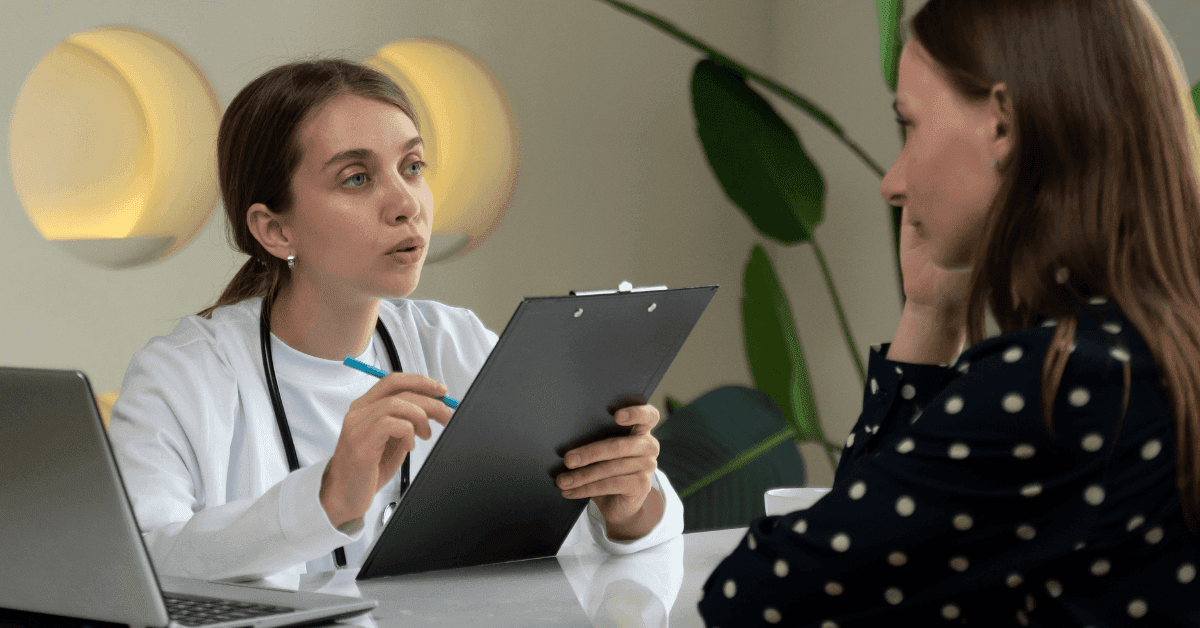
At its core, a mental health screening is a simple assessment used to determine if a person is showing signs of a mental health condition. These screenings might involve questionnaires, interviews, or digital tools designed to evaluate emotional well-being. They can be administered by healthcare professionals, mental health specialists, or even through online platforms.
The goal is not to label someone immediately but to open the door for further evaluation and care if necessary. A screening is often the first step toward getting professional help, including therapy, counseling, or other forms of treatment.
Why Mental Health Screening is Crucial for Early Intervention
Understanding why mental health screening is crucial is to recognize that early detection saves lives. Many mental health conditions develop gradually, with subtle symptoms that are easy to overlook. By the time a person realizes something is wrong, the problem may have already disrupted relationships, work performance, and overall well-being.
Early intervention allows for quicker treatment and better outcomes. For example, identifying mild depression early can prevent it from progressing into a severe form that might require intensive treatment. Similarly, recognizing early signs of anxiety can help an individual learn coping skills before panic attacks or chronic stress take over.
The Role Screenings Play in Breaking Stigma
One of the most significant benefits of promoting mental health screening is that it normalizes conversations about mental wellness. Too often, people avoid seeking help because they fear being judged or misunderstood. Screenings create a safe, structured way to address mental health without shame.
When screenings are offered in schools, workplaces, and community centers, they send a clear message: caring for your mental health is just as important as caring for your physical health. Over time, this helps reduce stigma and encourages more people to seek help when they need it.
How Screenings Work in Practice
In many healthcare settings, screenings are included as part of routine visits. A patient might be asked to answer questions about mood, sleep patterns, stress levels, and overall emotional health. Based on the results, a provider may suggest additional steps, such as seeing a mental health therapist in Ohio, starting counseling sessions, or considering other therapeutic approaches.
Some screenings are self-administered online, making them accessible to people who might feel hesitant about visiting a clinic in person. While these tools cannot replace a professional diagnosis, they can guide individuals toward seeking the right type of support.
Linking Screenings to Better Treatment Outcomes
Once a screening identifies potential mental health concerns, it becomes easier to create a treatment plan that works. This might involve therapy, lifestyle changes, or medical interventions such as psychiatric medication management. By starting treatment early, individuals often experience faster recovery times and reduced risk of relapse.
A key point here is that screenings are not the end of the journey but the beginning. They act as a bridge between recognizing a problem and taking action to address it. Without that first step, many people would remain unaware of their condition until it significantly impacts their lives.
Benefits Beyond the Individual
The importance of mental health screening extends beyond the person being evaluated. Early detection and treatment can ease the strain on families, reduce workplace absenteeism, and lower healthcare costs in the long run. Communities also benefit when their members are mentally healthier, as it leads to stronger relationships, better productivity, and a more supportive environment for everyone.
Schools that incorporate mental health screenings, for instance, often see improvements in student performance, reduced behavioral issues, and a more positive learning atmosphere. Workplaces that prioritize screenings tend to experience increased employee engagement and lower turnover rates.
Making Screenings Accessible to All
For screenings to have the greatest impact, they need to be easily accessible. This means offering them in multiple settings, from primary care offices to online platforms. It also means ensuring that people know screenings are confidential and free from judgment.
Organizations can take the lead by hosting screening events, partnering with local healthcare providers, or integrating screening tools into existing wellness programs. The more opportunities people have to complete a screening, the greater the chance of catching mental health concerns early.
Why Mental Health Screening is Crucial for a Healthier Future
The question is not simply why mental health screening is crucial, but how we can make it a routine part of everyday healthcare. Just like annual physical exams and dental checkups, mental health screenings should be seen as preventive care. This shift in perspective can lead to a healthier society where mental well-being is valued as much as physical health.
By making screenings a regular practice, we can detect problems earlier, provide better support, and reduce the long-term impact of untreated mental illness. The result is a future where people feel empowered to care for their mental health without fear or hesitation.
Conclusion
Recognizing the importance of mental health screening is the first step toward building a more supportive and healthy community. Screenings help detect issues early, encourage open conversations, reduce stigma, and connect people with the care they need. They benefit not only the individual but also families, workplaces, and society as a whole.
Mental health screenings are not about judgment; they are about care. They are about ensuring that no one struggles in silence when help is available. By making screenings an essential part of health routines, we can work toward a future where mental wellness is a priority for everyone.
SOS Wellness believes that emotional well-being matters. Our caring team listens, guides, and supports you. Contact us to learn how we can help build a healthier, happier future.