
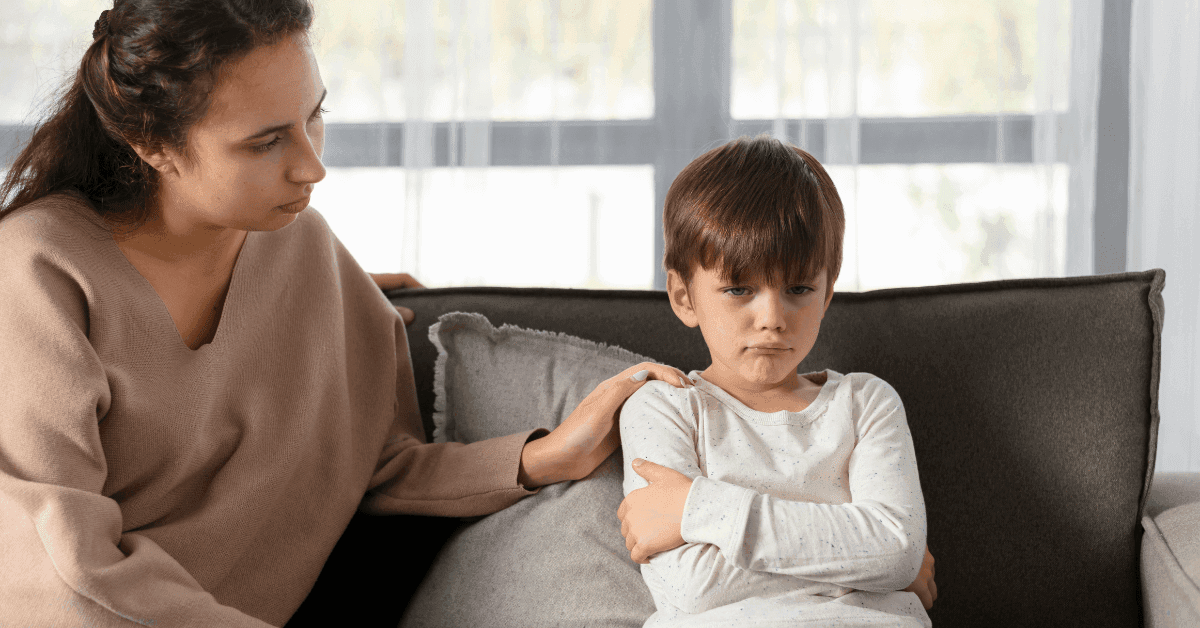
Children experience a wide range of emotions as they grow, and feeling anxious from time to time is a normal part of life. However, when worry or fear becomes overwhelming and persistent, it can interfere with a child’s daily routine, school performance, and relationships. Understanding Anxiety in Children is essential for parents who want to provide the right support and guidance during these challenging moments.
Anxiety in children can look different from what it does in adults. While adults may be able to describe their feelings in detail, children often express anxiety through behavior changes or physical complaints. Recognizing these signs early allows parents to step in before the anxiety becomes more severe.
Recognizing Childhood Anxiety Symptoms
Parents who are aware of childhood anxiety symptoms can better identify when their child might need help. Some common signs include constant worrying, avoiding certain activities, difficulty sleeping, and frequent complaints of headaches or stomachaches without a clear medical cause.
Other symptoms may manifest in the way a child interacts socially. They may become withdrawn, avoid talking to new people, or refuse to participate in activities they once enjoyed. In some cases, school attendance becomes a struggle because of overwhelming fears or separation anxiety. Understanding these patterns makes it easier for parents to take appropriate steps toward support.
Causes and Triggers of Anxiety in Children
Anxiety can be triggered by many factors, including family changes, academic pressures, social challenges, or even traumatic experiences. In some cases, genetics plays a role, meaning that if a parent has a history of anxiety, their child may be more likely to develop it as well.
Environmental stressors also contribute. Bullying, high expectations, or a major life change like moving to a new home can heighten anxiety. It is important for parents to remember that even small changes can feel overwhelming for children, especially if they do not yet have strong coping skills.
How to Deal with Children’s Anxiety at Home
One of the most important parts of how to deal with children’s anxiety is creating a safe and supportive environment at home. Children should feel comfortable talking about their feelings without fear of judgment. Active listening, validating their emotions, and avoiding dismissive phrases like “you will be fine” can make a big difference.
Parents can also help by introducing calming activities. Breathing exercises, drawing, reading, or gentle physical activity can help children manage stress. Keeping routines consistent provides a sense of stability, which is especially comforting for anxious children.
When anxiety seems to persist or intensify, seeking professional help may be the next step. An anxiety and depression therapist for children can provide structured support and evidence-based strategies to help children manage their emotions in healthy ways. If you need help finding the right therapist, SOS Wellness is ready to step in and take all the worries off your plate.
Here is a list of four ways you can deal with your child’s anxiety at home:
Getting Professional Support
Professional support plays a critical role when anxiety begins to interfere with a child’s ability to function day to day. A qualified psychiatrist for children from SOS Wellness can assess whether there are underlying conditions contributing to the anxiety and recommend appropriate treatments.
In many cases, therapy sessions can teach children how to identify anxious thoughts, challenge them, and replace them with more positive perspectives. Parents are often involved in these sessions so they can reinforce coping techniques at home. For some children, therapy combined with other interventions can significantly reduce symptoms and improve overall well-being.
Helping Children Build Coping Skills
Teaching children coping skills is one of the best ways to help them manage anxiety. This might include practicing mindfulness, encouraging problem-solving, or guiding them through visual relaxation techniques. Role-playing can also be effective. For example, parents can practice situations that cause anxiety, like speaking in front of the class, and work together on strategies to handle them calmly.
Over time, children become more confident in their ability to face challenges. This confidence helps them feel more in control and less overwhelmed by anxious thoughts.
Encouraging Healthy Lifestyle Habits
Lifestyle habits can greatly impact anxiety levels. Ensuring that children get enough sleep, eat balanced meals, and engage in regular physical activity can reduce stress and improve mood. Limiting screen time, especially before bedtime, can also help, as excessive use of electronics can increase restlessness and anxiety.
Family activities like walking, cooking, or playing board games can strengthen connections and provide enjoyable distractions from anxious feelings. Parents who model healthy coping behaviors themselves show children that it is possible to manage stress effectively.
Communicating with Schools and Teachers
Since children spend a significant portion of their day at school, it is important to involve teachers and school counselors in managing anxiety. They can help monitor the child’s behavior, provide accommodations if needed, and create a supportive learning environment.
Open communication ensures that everyone is working together toward the same goal: helping the child feel safe and capable of succeeding academically and socially. Sometimes small adjustments, like allowing short breaks or providing a quiet space, can make a big difference in a child’s comfort level at school.
When to Seek Immediate Help

While most anxiety can be managed with consistent support and coping strategies, there are times when professional intervention should not be delayed. If a child’s anxiety leads to panic attacks, extreme withdrawal, or talk of self-harm, parents should seek help right away. Early intervention often leads to better outcomes and prevents symptoms from becoming more severe.
Understanding that anxiety is a real and treatable condition helps parents take proactive steps toward their child’s mental health. Prompt action can make the difference between ongoing struggles and a successful recovery.
We are committed to providing compassionate care and practical solutions for emotional well-being. Contact us today to learn how we can support your family’s needs!
Conclusion
Understanding Anxiety in Children is about more than just recognizing when a child is worried. It is about identifying symptoms, knowing how to deal with them, and being proactive in offering the right support. With patience, understanding, and professional guidance when needed, children can learn to manage their anxiety and build resilience.
Parents who stay engaged, maintain open communication, and create a supportive environment give their children the best chance for emotional well-being. Anxiety may be a challenge, but it is not a barrier that has to define a child’s future.