
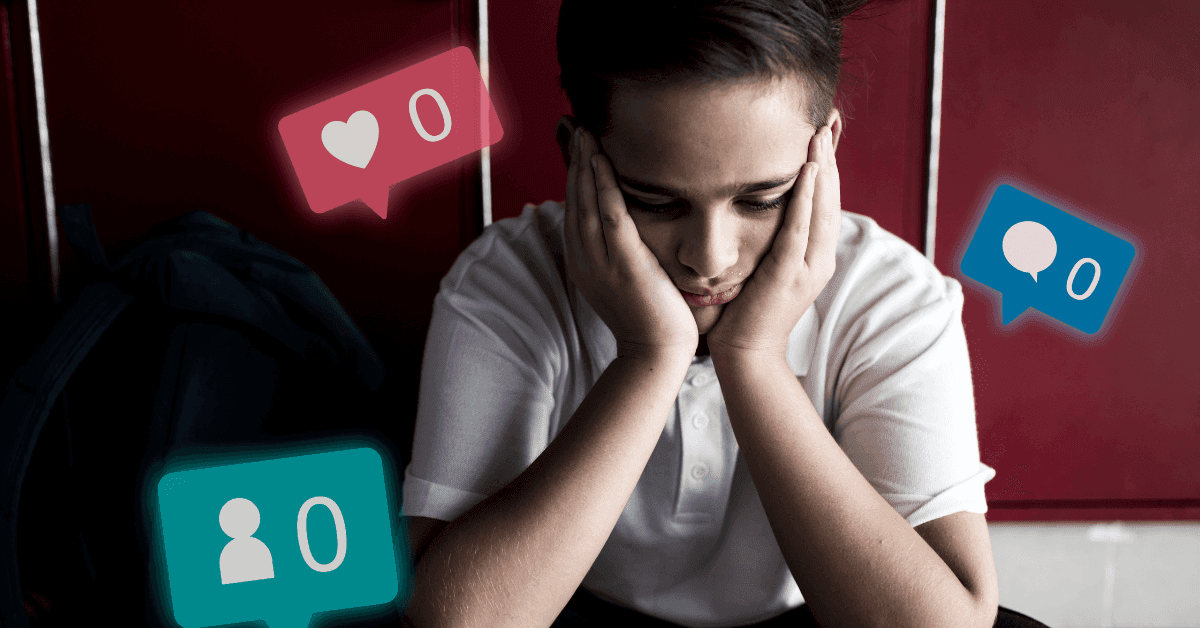
If you’ve ever watched your teenager’s mood change after scrolling through their phone, you’re not alone. Many parents notice how social media affects their teen’s emotions, sleep, and overall well-being. Understanding this connection can help you better support your child during these formative years.
Social media platforms were designed to connect people, but for many teenagers, they’ve become sources of stress, comparison, and anxiety. The good news is that with awareness and the right support, families can navigate these challenges together.
What the Numbers Tell Us
Today’s teens are more connected than ever before. They spend an average of 3.5 hours daily on social media, with nearly half saying they’re online “almost constantly.” Nine out of ten teens use social media every day, it’s become as routine as brushing their teeth.
But here’s what concerns mental health experts: according to the National Institute of Mental Health (NIMH), adolescents who spend more than 3 hours per day on social media face double the risk of experiencing poor mental health outcomes, including symptoms of depression and anxiety.
Recent research shows that more than 1 in 10 teens (11%) struggle to control their social media use, with girls experiencing higher rates of problematic use than boys (13% versus 9%). These aren’t just numbers; they represent real teens in our communities who need support.
Common Challenges Your Teen May Face
When Online Interactions Turn Harmful
Digital trauma happens when teens experience cyberbullying, get excluded from group chats, or encounter disturbing content online. Unlike schoolyard bullying that ended when the bell rang, online harassment follows teens home through their devices. This constant exposure can lead to lasting emotional effects that many parents don’t immediately recognize.
The Comparison Game
Your teen’s social media feed is filled with highlight reels carefully selected moments that make everyone else’s life look perfect. When your teenager compares their real, unfiltered daily experiences to these polished posts, it’s natural for them to feel like they’re falling short. This comparison often affects how they see their appearance, achievements, and social status.
Sleep Problems
Late-night scrolling has become a common habit that disrupts healthy sleep patterns. When teens stay up checking notifications or engaging with content, they’re not getting the restorative sleep their developing brains need. Poor sleep then makes them more emotionally vulnerable and less able to cope with daily stressors.
Pressure to Look Perfect
Visual platforms create intense pressure around appearance. Teens see filtered, edited images constantly, which can make them feel insecure about how they look. This pressure affects both girls and boys, sometimes leading to unhealthy eating habits or excessive focus on physical appearance.
Warning Signs to Watch For
As a parent, you know your child best. Here are some changes that might indicate social media is negatively affecting their mental health:
Changes in behavior:
- Pulling away from family time or activities they used to enjoy
- Getting upset or irritable when they can’t access their phone or internet
- Becoming obsessed with likes, comments, or follower counts
- Neglecting homework, chores, or other responsibilities
Emotional red flags:
- Dramatic mood swings after using social media
- Expressing feelings of worthlessness or not being good enough
- Increased anxiety, especially around social situations
- Talking frequently about online drama or conflicts
Physical signs:
- Changes in sleep patterns, either sleeping too much or having trouble falling asleep
- Loss of appetite or significant changes in eating habits
- Declining grades or attendance at school
- Complaints of headaches or stomachaches without clear medical causes
Trust your instincts if something feels different about your teen, it’s worth exploring.
Building Healthier Habits Together
Rather than taking away your teen’s phone entirely (which often backfires), consider working together to create healthier boundaries:
Start with small changes:
- Establish phone-free times, like during family meals or an hour before bedtime
- Encourage breaks from social media, maybe a few hours on weekends to start
- Help them clean up their feeds by unfollowing accounts that make them feel bad
- Support offline activities they enjoy, whether that’s sports, art, music, or time with friends
Keep communication open:
- Ask genuine questions about their online experiences, both good and bad
- Share your own challenges with technology and social media
- Listen without immediately jumping to solutions or lectures
- Acknowledge that social media isn’t all negative there are benefits too
Model the behavior you want to see:
- Be mindful of your own phone use around your teen
- Show them how you take breaks from social media
- Demonstrate healthy ways to handle online conflicts or negative content
The Positive Side of Social Media
It’s important to remember that social media isn’t entirely harmful. Many teens use these platforms to:
- Stay connected with friends and family
- Find communities of people who share their interests
- Access mental health resources and support
- Express creativity through art, music, or writing
- Learn about important social issues and causes they care about
The goal isn’t to eliminate social media but to help your teen use it in ways that support their well-being.
When to Seek Professional Help
Sometimes, despite your best efforts, your teen may need additional support. Consider reaching out to a mental health professional if:
- Your teen talks about hurting themselves or expresses thoughts of suicide
- Anxiety or depression significantly interferes with school, friendships, or family life
- They’ve experienced cyberbullying that has lasting emotional effects
- You notice signs of eating disorders or severe body image concerns
- Family relationships are severely strained by conflicts over technology use
Remember: If your teen is in immediate danger, call 988 (National Suicide Prevention Lifeline) or head to your nearest emergency room.
Professional Support Options
Mental health professionals can offer valuable support through:
- Individual counseling to help teens process their emotions and develop coping strategies
- Family therapy to improve communication and work through technology-related conflicts
- Group therapy where teens can connect with peers facing similar challenges
- A social anxiety disorder therapist can specifically help teens who feel overwhelmed by social pressures both online and offline
- Specialized programs that address social media addiction or digital wellness
Finding Help in Ohio
If your teenager is showing signs of stress, anxiety, or depression related to social media use, professional help is available throughout Ohio. Mental health professionals specialize in adolescent mental health and understand the unique challenges facing today’s teens. Anxiety treatment in Ohio includes specialized programs designed specifically for teenagers dealing with social media-related stress.
SOS Wellness provides comprehensive mental health services for adolescents struggling with social media-related anxiety, depression, and digital trauma. Our experienced team understands the complex relationship between technology and teen mental health, offering personalized treatment approaches that help young people develop healthier digital habits while addressing underlying mental health concerns.
Moving Forward as a Family
Supporting your teen through social media challenges requires patience, understanding, and sometimes professional guidance. Remember that:
- Every teenager’s relationship with social media is different
- Small, consistent changes often work better than dramatic restrictions
- Your teen needs to feel heard and understood, not judged
- Professional help is a sign of strength, not failure
- This is a learning process for the whole family
The teenage years have always come with challenges, but today’s parents are navigating uncharted territory with social media. Trust yourself, stay connected with your teen, and don’t hesitate to seek support when you need it.
Your teenager’s mental health and well-being matter. With the right support and understanding, they can learn to use social media in ways that enhance rather than harm their overall happiness and development.
Crisis Resources:
- National Suicide Prevention Lifeline: 988
- Crisis Text Line: Text HOME to 741741
- NAMI Helpline: 1-800-950-NAMI
If you’re concerned about your teen’s immediate safety, don’t wait—seek help right away.