
From SOS Wellness – Compassionate Mental Health Solutions for Greater Cincinnati and Dayton
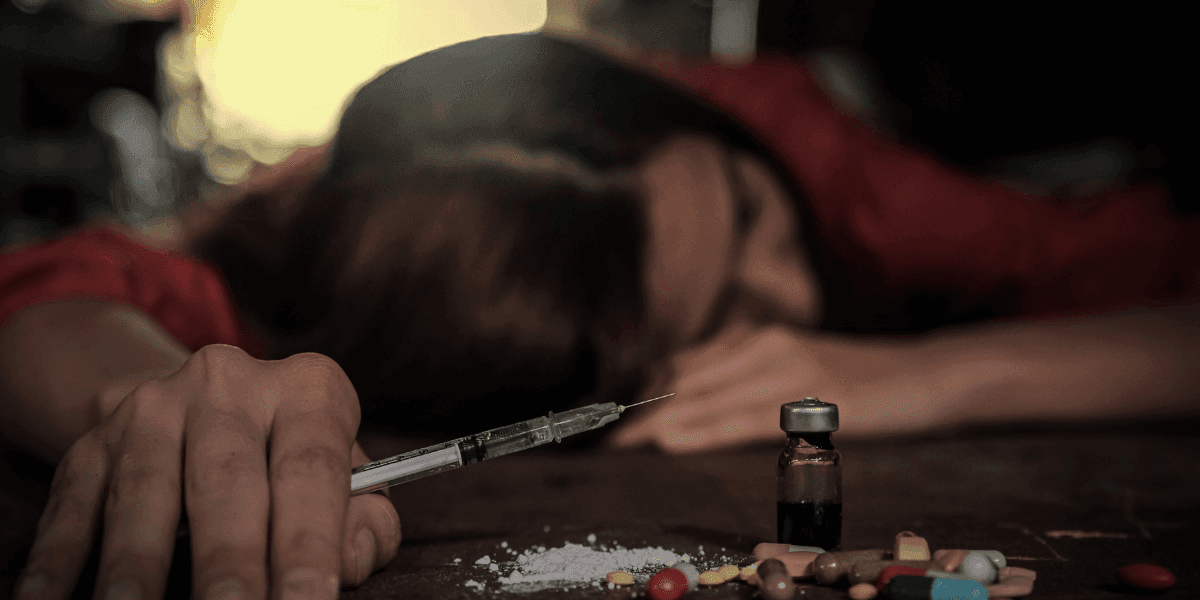
When we picture drug addiction, we often imagine extreme cases someone visibly unwell, disheveled, or disengaged from life. But the reality is that addiction can be quiet, gradual, and deeply hidden. Especially among teens and high-functioning adults, the signs often mask themselves as everyday stress, moodiness, or burnout.
At SOS Wellness, we want families, parents, and friends to be equipped with knowledge so that subtle drug addiction signs don’t go unnoticed, and people don’t suffer in silence. Recovery begins with recognition.
Addiction Isn’t Always Loud – But It’s Always Serious
Addiction doesn’t begin with a dramatic moment. It often starts with experimentation, emotional pain, or a period of transition times when the brain is most vulnerable. And by the time someone asks for help, the underlying issue may have gone unrecognized for years.
As NIDA explains:
“Addiction is a chronic disease characterized by drug seeking and use that is compulsive or difficult to control, despite harmful consequences.” – National Institute on Drug Abuse
This shift happens because drugs rewire the brain’s reward system, disrupting how we manage emotions, make decisions, and respond to stress. And while addiction can affect anyone, adolescents are especially vulnerable not just emotionally, but neurologically.
Why Adolescence Is a Critical Window for Prevention
Adolescence is full of natural risk-taking and change. Kids move from elementary to middle school, enter high school, and then face adulthood. These life transitions combined with peer pressure and increasing independence can become gateways to substance use.
According to NIDA:
“Risk of drug use increases greatly during times of transition.”
“Because the brain is still developing, using drugs at this age has more potential to disrupt brain function in areas critical to motivation, memory, learning, judgment, and behavior control.”
In other words, drug use during the teen years can interfere with the very brain functions teens are trying to grow.
And here’s the kicker: the parts of the brain responsible for impulse control and long-term decision-making aren’t fully developed until the early to mid-20s. This makes teens biologically less able to assess the long-term risks of drug use, even when they “know better.”
That’s why prevention and early detection are so powerful.
What to Look For: Subtle Hidden Signs of Drug Addiction
Whether it’s your teen, a partner, or a close friend, here are the early common signs of addiction to look for:
1. Emotional and Behavioral Shifts
- Sudden irritability, anger, or mood swings
- Withdrawing from family or long-time friends
- Abandoning hobbies or goals
- Apathy or emotional numbness
2. School or Work Difficulties
- Declining grades, missing assignments
- Frequent absences or chronic lateness
- Loss of interest in school or future plans
- Trouble concentrating or remembering things
3. Physical and Appearance Changes
- Bloodshot eyes, unexplained bruises or marks
- Wearing long sleeves in warm weather
- Poor hygiene or dramatic appearance changes
- Weight fluctuation
4. Risky Behavior
- Lying or secrecy
- Stealing money or valuables
- Unsafe sex, uncharacteristic partying
- Frequent accidents or minor injuries
For Teens, the Signs of Substance Abuse Can Be Misread
A tired teen may be brushing off consequences from late-night gaming. But they could also be hiding substance use. What looks like “teen angst” could actually be anxiety, depression or addiction.
And remember: anyone can become addicted.
As the National Institute on Mental Health notes, people with ADHD, anxiety, or mood disorders are at increased risk for developing substance use issues. But co-occurring mental health conditions can also mask or complicate the symptoms of addiction.
Addiction in Adults
Adults often manage to mask addiction behind routines and responsibilities until something breaks. A job loss, divorce, or death in the family can reveal or escalate an ongoing struggle with substances.
Some adults may never have been diagnosed with ADHD, anxiety, or trauma-related conditions, but used substances to cope. Over time, this pattern becomes deeply ingrained.
“Adults… can show inattention, restlessness, and impulsivity… They may also be irritable, have a low tolerance for frustration, or experience frequent or intense mood changes.” – National Institute of Mental Health (NIMH)
When Addiction Isn’t Just a Struggle It’s a National Crisis
While any drug misuse is serious, the opioid epidemic has emerged as one of the most devastating public health crises of our time. According to the Centers for Disease Control and Prevention (CDC), over 80,000 people in the U.S. died from opioid-related overdoses in 2023 alone, many of them involving synthetic opioids like fentanyl.
What makes opioids especially dangerous is how quickly dependence can form, even when the drugs are first used legitimately for pain. Teens who experiment just once, or adults who misuse a prescription after surgery or an injury, can rapidly find themselves in a spiral of craving and withdrawal.
And in our own communities including here in Greater Cincinnati, Dayton, and Middletown, we continue to see families broken apart and lives lost too soon.
At SOS Wellness, we take this epidemic seriously. We provide safe, evidence-based care including medication-assisted treatment (MAT) to support individuals through recovery from opioid use and help rebuild their lives with dignity and purpose.
At SOS Wellness, You’re Not Alone
Addiction can feel isolating for the person struggling and their loved ones. At SOS Wellness, we offer substance abuse therapy with compassion at the core.
We offer:
- Medication-Assisted Treatment (MAT)
- Dual Diagnosis Support for Co-occurring Conditions
- Teen and Adult Counseling Services
- Family Therapy and Parent Guidance
- Online and In-Person Options
Whether it’s a teenager beginning to spiral or an adult ready to reclaim their life, our team is here judgment-free and ready to help.
Final Thought: Trust Your Instincts
If something feels “off,” trust that feeling. You don’t need all the answers to start asking questions. You just need to care enough to start the conversation.
Because the earlier addiction is caught, the more treatable it becomes.
“Preventing early use of drugs or alcohol may go a long way in reducing these risks.” – National Institute on Drug Abuse
Let SOS Wellness be your partner in recovery and resilience. Healing begins here.
Need substance abuse disorder treatment?
Reach out to our compassionate team at SOS Wellness, serving Middletown, Greater Cincinnati, and Dayton, Ohio.
Contact Us | Appointments typically available in 24–48 hours