
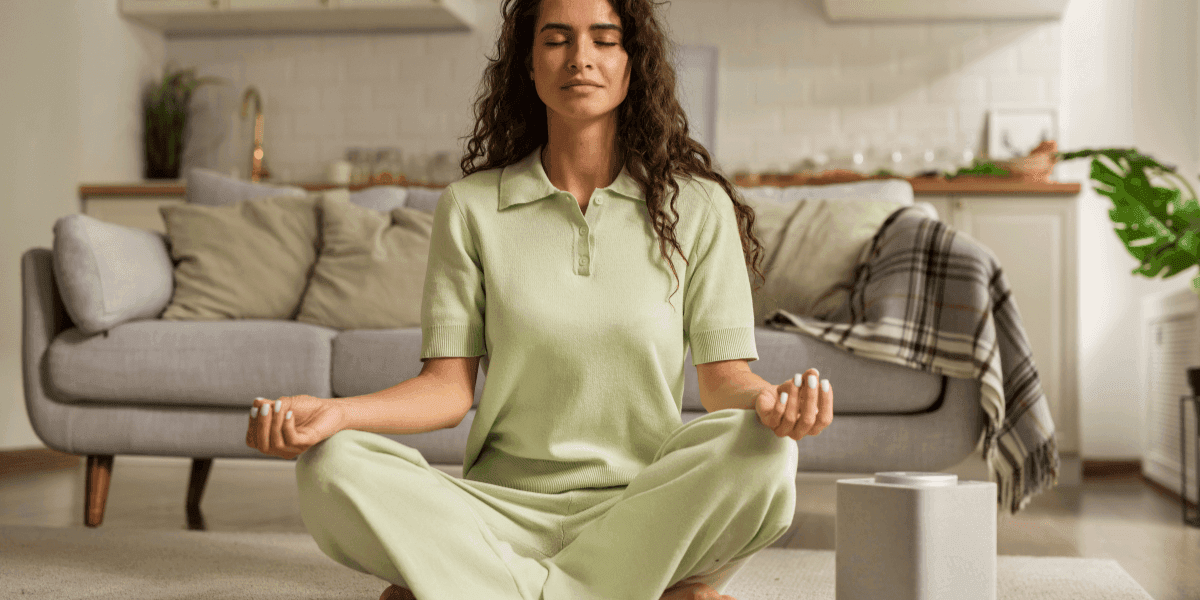
Constant distractions, high workloads, and emotional strain can take a toll on your physical and mental health. Mindfulness is one of the most effective and accessible tools to regain balance. The best part? You don’t need hours of free time or a yoga mat to get started.
In this blog, we explore five simple mindfulness exercises designed to improve focus, reduce anxiety, and promote emotional clarity.
Focused Breathing
The best exercise to overcome stress is focused or conscious breathing. This technique allows you to center your thoughts and calm your nervous system. When practiced regularly, it helps manage anxiety and keeps overwhelming emotions at bay.
Breathe in slowly through your nose while counting to four, hold for a moment, then breathe out through your mouth on a slow count of six. This simple act activates the parasympathetic nervous system, which signals your body to relax.
Focused breathing offers an easy yet powerful way to reset your mind, especially during moments of heightened stress. Amongmindfulness exercises for anxiety, this one stands out for its immediate effect and accessibility.
Body Scan Meditation
When stress manifests physically, body scan meditation can be incredibly beneficial. It’s particularly effective if you’re experiencing tension, fatigue, or restlessness. This exercise involves directing your attention to different areas of the body, helping you become more aware of physical sensations and allowing you to release built-up stress.
Close your eyes gently and bring your attention to your toes, then gradually shift your focus upward, moving through your feet, legs, hips, abdomen, back, chest, shoulders, arms, neck, and finally, your head, noticing each area in sequence. At each point, take a moment to notice how it feels, then mentally relax the area. Visualizing your breath reaching tight or sore spots can enhance the release of tension.
Body scan meditation is especially helpful before bedtime or when you feel physically overwhelmed. It requires no special tools and is one of the most restorative and simple mindfulness exercises available.
Five Senses Check-In
In moments of stress, your mind often drifts into the past or future, making it difficult to focus on the present. The Five Senses Check-In is a grounding technique designed to anchor you in the here and now by engaging all five senses.
Start with a few deep, steady breaths to center yourself, then slowly look around and notice five things you can see in your surroundings. Next, bring attention to four things you can feel; this might include the texture of your clothes, the chair beneath you, or the air on your skin. Next, listen for three distinct sounds, notice two scents around you, and finish by focusing on one thing you can taste.
It’s one of the most practical exercises to improve stress, offering immediate relief during busy or emotionally intense moments. It pulls your attention away from anxious thoughts and places it firmly in your present environment.
Mindful Walking
Mindfulness doesn’t always require stillness. In fact, mindful walking is an excellent way to combine movement with mental clarity. This technique involves walking slowly and intentionally while being aware of each step and your surroundings. It’s a quiet, meditative way to reconnect with the present, and it’s especially useful if sitting meditation isn’t your preference.
Choose a peaceful route, either indoors or outside. As you walk, pay attention to the sensation of your feet lifting and landing, the rhythm of your movement, the sounds around you, and how the air feels on your skin. Resist the urge to rush or think ahead. Instead, keep your focus on the act of walking itself.
This form of meditation fits easily into daily life; you can practice it while walking through a park, during a work break, or even while heading to your car. Among simple mindfulness exercises, mindful walking is often overlooked but offers a refreshing way to relieve stress and clear your thoughts.
Mindful Journaling
Writing is another powerful tool for managing stress and anxiety. Mindful journaling helps you make sense of complex emotions, notice patterns in your thinking, and foster a deeper connection with your internal experiences. It’s not about writing the perfect paragraph; it’s about being honest with yourself and expressing what’s on your mind.
Use this time to write openly about your thoughts, emotions, or anything that’s been on your mind. Let your writing flow naturally without trying to fix or edit anything. The aim is to observe your inner state, not to critique or dissect it. Over time, journaling can become a reliable method for reducing mental clutter and increasing emotional clarity.
It pairs especially well with therapy, giving you a written record of your growth. As a mindfulness exercise for anxiety, mindful journaling encourages self-reflection and offers a calming release during periods of stress.
Why Mindfulness Works for Stress
Mindfulness teaches you to respond instead of react. When you become aware of the present moment without judgment, you gain more control over your thoughts and emotions. Research shows that regular mindfulness practice can reduce cortisol (stress hormone) levels, improve sleep, and even enhance immune function.
When stress isn’t managed, it can lead to more serious mental health issues like anxiety and depression. That’s why integrating exercises to improve stress into your day, even if just five minutes, isn’t a luxury; it’s a necessity.
Wrapping Up
Stress is unavoidable, but how you manage it makes all the difference. These five simple mindfulness exercises offer an accessible starting point for anyone looking to feel more grounded and emotionally balanced. They’re small steps that lead to a much larger improvement in your mental well-being.
If you’re seeking deeper guidance, working with a qualified anxiety and depression therapistcan make a big difference in maintaining long-term mental health. At SOS Wellness, our licensed professionals offer personalized care for managing stress, anxiety, and depression. Book your appointment with a trusted mental health therapist in Ohio; we’re here to support your path toward better emotional health.